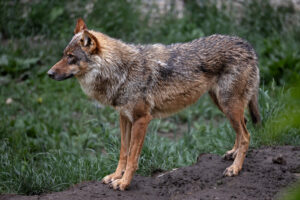
Carnivores (Carnivora) are mammals belonging to one of two major groups: the caniforms (“dog-like” carnivores), which include canids, mustelids, bears and procyonids, and the feliforms (“cat-like” carnivores), which include felines, civets, hyenas and mongooses. They are characterised by specialised teeth, including powerful canines and carnassial teeth adapted for slicing through flesh. They also possess highly developed senses and a wide range of effective hunting strategies. Although many species are primarily adapted to a meat-based diet, carnivores also include omnivores, such as many bears, and even almost entirely herbivorous species, such as the giant panda.
…that caniforms and feliforms differ in the structure of their middle ear? In feliforms, the bony auditory bulla is clearly divided into two chambers by a septum. Caniforms lack this characteristic division, a subtle anatomical feature that helps zoologists distinguish between the two major groups of carnivores.
…that their claws also reveal a typical difference between caniforms and feliforms? In most feliforms, the claws can be fully or partially retracted, helping to keep them sharp. Caniforms, on the other hand, generally have non-retractable claws that touch the ground as they walk and therefore wear down more quickly. There are exceptions, however, so claws alone do not always reveal which group a carnivore belongs to.